
Essential Danish Slang Words To Sound Like A Local

Author
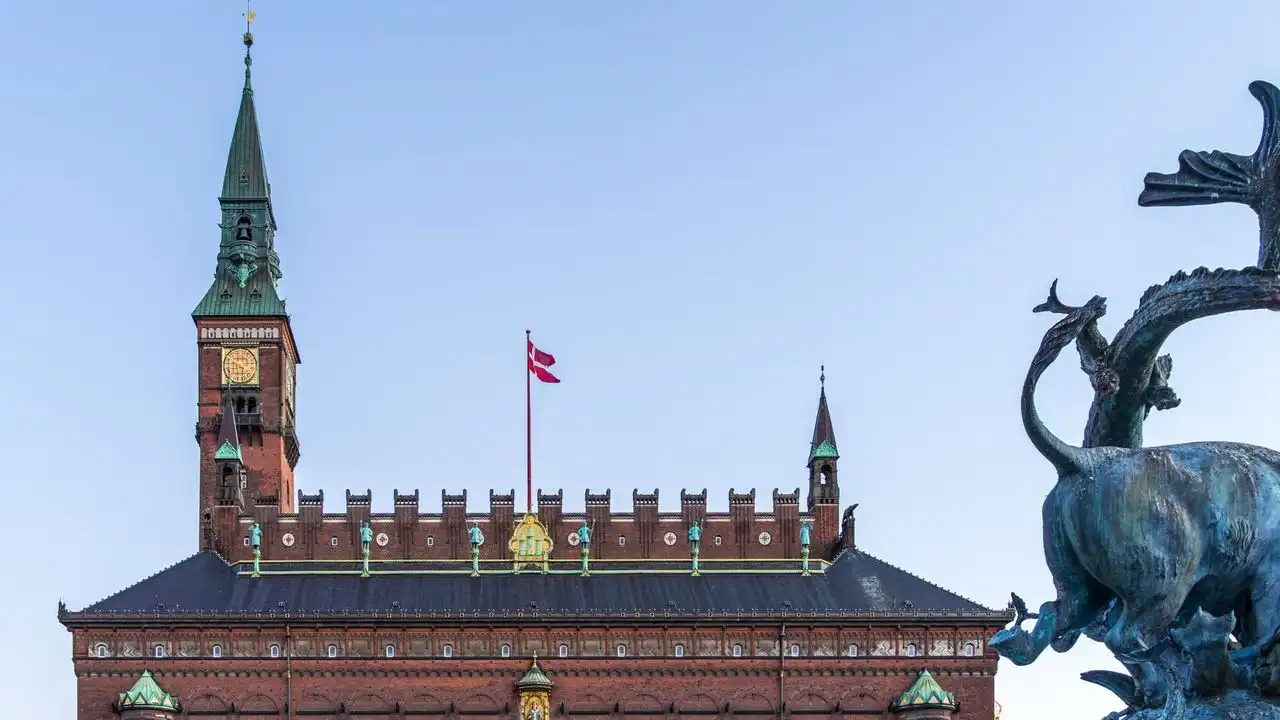
Learning Danish slang helps you understand casual conversations on the streets of Copenhagen.
Standard textbooks rarely teach the informal words that native speakers actually use every day.
Knowing these expressions will allow you to connect with locals and sound much more natural.
I’ve compiled a list of the most common slang words you’ll hear in Denmark.
Table of Contents:
Popular Danish slang words
Native speakers use specific slang words to express their feelings about a situation.
These words easily replace formal adjectives in casual conversations.
Fedt (cool or great)
The word fedt literally translates to “fat” in English.
However, Danish speakers use it constantly to mean “cool” or “great”.
You can use it as a standalone reaction when someone shares good news.

Jeg fik et nyt job!
Det er vildt fedt!
Nederen (annoying or bummer)
When something is disappointing or frustrating, Danes call it nederen.
It’s the exact opposite of the word fedt.
Det er nederen at det regner i dag.
Grineren (funny or fun)
The word grineren comes from the Danish verb for laughing.
Locals use it to describe a person, situation, or thing that’s hilarious.
Den film var grineren.
Sygt (sick or crazy)
Just like in English, the word for “sick” is used as slang to mean “crazy” or “insanely”.
Younger Danes often use sygt to emphasize another adjective.
Det er sygt billigt.
Common Danish filler words
Filler words are essential for making your spoken Danish sound smooth and natural.
They buy you valuable time to think of vocabulary while speaking.
Altså (so, well, or like)
Altså is arguably the most common filler word in the Danish language.
It’s often used at the beginning or end of a sentence to add conversational emphasis.
Altså, det ved jeg ikke rigtigt.
Sgu (damn or surely)
Sgu is technically a mild swear word, but it’s deeply ingrained in everyday Danish.
People use it constantly to emphasize a statement or express certainty.
Det ved jeg sgu ikke.
Regional slang differences in Denmark
Denmark is a small country, but it has distinct regional slang variations.
The words you hear in Copenhagen often differ from those used in Jutland (Jylland).
Træls (annoying in Jutland)
If you visit the mainland of Jutland, you’ll frequently hear the word træls.
It means annoying, frustrating, or unfortunate.
It’s the popular regional equivalent to using nederen in Copenhagen.
Min cykel er i stykker. Det er mega træls.
Mojn (hello and goodbye in Southern Jutland)
In Southern Jutland (Sønderjylland), locals use mojn as an informal greeting.
It functions perfectly as both “hello” and “goodbye”.
Mojn, vi ses i morgen.
Summary table of Danish slang
Here’s a quick reference table of all the essential Danish slang words covered in this guide.
| Danish slang word | Literal translation | Actual meaning |
|---|---|---|
| Fedt | Fat | Cool / Great |
| Nederen | Downer | Annoying / A bummer |
| Grineren | Laughing | Funny / Hilarious |
| Sygt | Sick | Crazy / Insanely |
| Altså | Therefore / Thus | Well / Like / So |
| Sgu | God (abbreviated) | Damn / Surely (Emphasis) |
| Træls | Tiresome | Annoying (Jutland slang) |
| Mojn | Morning (historically) | Hello / Goodbye (Jutland slang) |